

Updated October 10, 2026: Searching for the NCERT Class 4 Social Science syllabus 2026–27? The current NCERT Class 4 book is Our Wondrous World, part of the integrated curriculum The World Around Us. It includes social life, environment, geography, community, food, health, nature and everyday science. There is no matching separate NCERT Class 4 Social Science textbook with the old 20-topic geography list previously shown here.
This page explains all 10 current NCERT chapters in five units and their social-studies connections, provides a learning plan and distinguishes older school-specific Social Studies topics from the current NCERT textbook. NCERT’s official 2026–27 textbook prelims and contents confirm both the chapter names and the five units; the book was reprinted in February 2026.
NCERT Class 4 Social Science vs The World Around Us
In the new NCERT framework, social sciences are taught in an integrated, activity-based way during the preparatory stage. Children learn about families, neighbourhoods, different environments, materials, professions, health and public life through The World Around Us. Some schools still use separate Social Science books or mix older Looking Around chapters with the newer book. For a school examination, use the exact textbook and chapters assigned by the teacher, not an old website list.
2026–27 NCERT Class 4: All 10 Chapters with Learning Activities
| Ch. | Chapter | NCERT unit | Learning focus | Original practice activity |
|---|---|---|---|---|
| 1 | Living Together | Our Community | Community cooperation, shared spaces and inclusion | Observe one community activity and list who helps |
| 2 | Exploring Our Neighbourhood | Our Community | Neighbourhood services, people, places and simple route-finding | Draw a route to a nearby library or clinic |
| 3 | Nature Trail | Life Around Us | Living things, local habitats and care for nature | Keep a short observation diary of plants or birds |
| 4 | Growing up with Nature | Life Around Us | Relationships between living things and their environments | Compare the needs of two familiar plants |
| 5 | Food for Health | Health and Well-being | Food choices, nutrition, origins and variety | Make a one-day food diary with food groups |
| 6 | Happy and Healthy Living | Health and Well-being | Hygiene, physical well-being and healthy routines | Create a sensible daily healthy-habits checklist |
| 7 | How Things Work | Things Around Us | Everyday tools and simple principles of working | Describe how a familiar tool makes a task easier |
| 8 | How Things are Made | Things Around Us | Materials, processes, skilled work and making objects | Trace a product from raw material to finished item |
| 9 | Different Lands, Different Lives | Our Environment | Landforms, climate, communities and cultural adaptation | Compare housing, clothing and food in two regions |
| 10 | Our Sky | Our Environment | Observing the Sun, Moon, sky and daily patterns | Record how the sky looks at three times in one day |
Official textbook: NCERT Class 4 Our Wondrous World (all chapters) · Official contents/intro PDF · Official Chapter 1: Living Together (PDF). We link to the publisher’s files rather than uploading copyrighted NCERT pages to this blog.
Five Units Explained: Where Is Social Science?
- Our Community (Chapters 1–2): learn why people cooperate, how public places and neighbourhood services work, and how to respect different roles and backgrounds.
- Life Around Us (Chapters 3–4): explore living things and the surrounding environment, including how communities depend on healthy natural spaces.
- Health and Well-being (Chapters 5–6): understand food sources, healthy habits and ways people make everyday choices.
- Things Around Us (Chapters 7–8): investigate familiar technology, the work of skilled people, production steps and the materials behind everyday products.
- Our Environment (Chapters 9–10): compare landforms and ways of life, then observe changes in the sky and local surroundings.
Additional Geography Topics to Explore
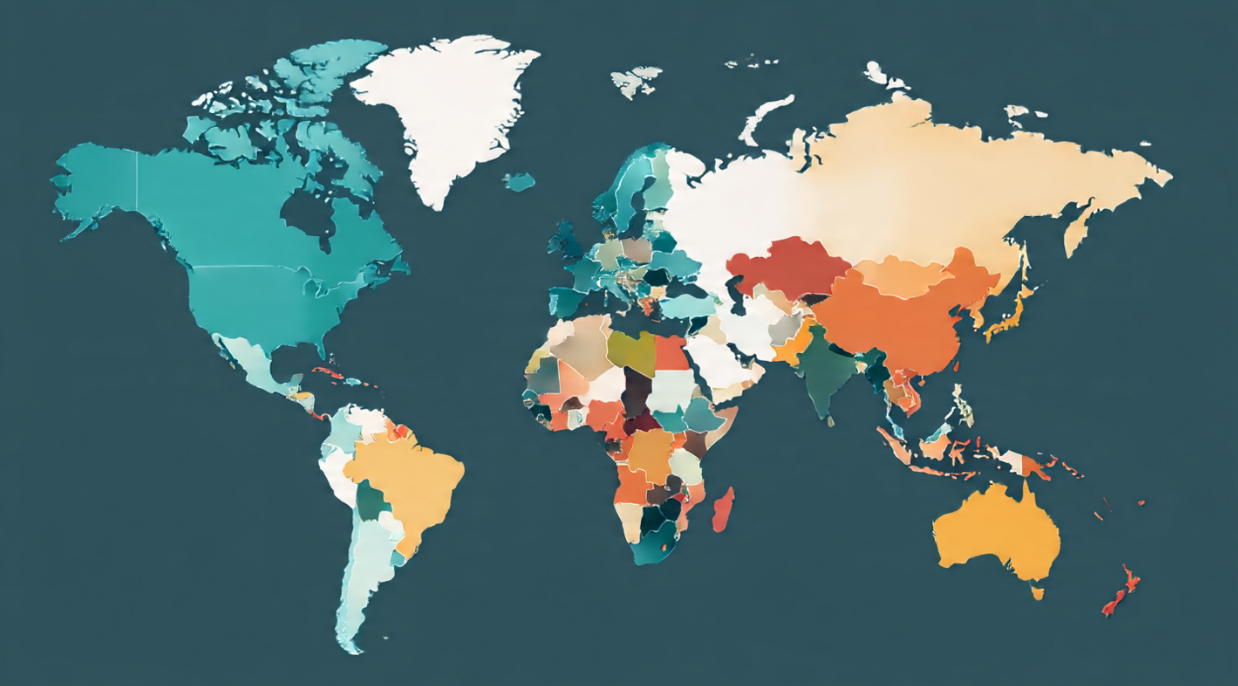
Students interested in wider geography can also explore topics such as Our Beautiful Country, The Northern Mountains, The Northern Plains, The Western Desert, The Southern Plateau, Coastal Plains and Islands, Soils, Forests and Natural Resources. These can be helpful in separate school Social Studies books or enrichment work, but that sequence does not match the current 2026–27 NCERT Our Wondrous World table of contents.
| Older social-studies topic | Useful supplementary concept | Related current learning |
|---|---|---|
| Mountains, plains, deserts, coasts and islands | Landforms, climate and how people adapt to where they live | Different Lands, Different Lives |
| Forests, soils, water and natural resources | Conservation, local habitats and responsible resource use | Nature Trail; Growing up with Nature |
| Maps, villages, cities and community facilities | Neighbourhood orientation and cooperation | Living Together; Exploring Our Neighbourhood |
| Work, occupations and products | People’s skills, materials and everyday production | How Things are Made; How Things Work |
Four-Week Class 4 Revision Plan
| Week | Chapters | Practical learning outcome |
|---|---|---|
| 1 | Living Together; Exploring Our Neighbourhood | Make a simple neighbourhood map and identify community helpers |
| 2 | Nature Trail; Growing up with Nature | Record observations about plants, birds, water or other local nature |
| 3 | Food for Health; Happy and Healthy Living; How Things Work | Maintain a food and healthy-habits diary; describe a familiar tool |
| 4 | How Things are Made; Different Lands, Different Lives; Our Sky | Trace a product, compare two environments and keep a short sky journal |
Five Original Class 4 Social Science Practice Questions
- Community: Why is it helpful for neighbours to work together to keep a park clean?
- Map skills: What two features would make a simple neighbourhood map easier for someone else to use?
- Natural environments: How might the kind of clothes people wear differ between a cold mountain area and a hot desert area?
- Livelihoods: Name two people whose work may be involved in making and delivering a cotton shirt.
- Observation: What changes might you notice in the sky from morning to evening, and how would you record them?
Sample answer guidance: 1. People can divide tasks and care for a shared space. 2. Clear landmarks, route lines and labels (or directions) help readers. 3. Warm, insulating clothes are useful in cold conditions; light, protective clothes can be suitable in hot conditions. 4. A farmer, weaver, tailor, transport worker or shopkeeper are possible examples. 5. Observe daylight and the apparent position of the Sun safely—never look directly at the Sun—and write or draw dated observations. These open-ended questions are independently written, not reproduced from NCERT.
How to Study Social Studies without Rote Learning
- Read the current chapter and identify one question you want to answer.
- Observe an example: compare two local places, look at a map, or ask an adult how a service works.
- Record evidence: make a labelled drawing, simple chart, table or two-sentence observation.
- Explain cause and effect: say why a resource, place or habit matters, not just what it is called.
- Review later: make a new example instead of repeating one memorised textbook sentence.
NCERT Class 4 Social Science 2026–27 FAQs
Is there a separate NCERT Class 4 Social Science textbook?
NCERT’s current Class 4 integrated book is Our Wondrous World under The World Around Us; it connects science, society and environmental study. Schools may prescribe other separate Social Studies books, so check your school’s booklist.
How many chapters are in the Class 4 NCERT book in 2026–27?
The official 2026–27 reprint lists 10 chapters across five units, beginning with Living Together and ending with Our Sky.
Are mountains, deserts and resources no longer useful topics?
They remain valuable ideas. Some appear in integrated form in the current book, especially Different Lands, Different Lives; other detailed country/landform lessons may be supplementary or belong to the school’s own book.
Where can I get the actual Class 4 NCERT book?
Use the official NCERT textbook portal or NCERT ePathshala. Avoid downloading unofficial altered copies that mix editions.
Related Class 4 and 5 Learning Guides
- Class 5 Social Science 2026–27 — current NCERT chapter guide
- Class 5 Social Science — older school topics (compare with the current textbook)
- Class 4 science topics — supplementary concept practice
Use your current NCERT textbook to find the chapter activities that match this guide. For homework and assessments, follow the lesson plan given by your teacher, and try the practice questions above to check your understanding.





Leave a Reply